
October 30, 2026
General
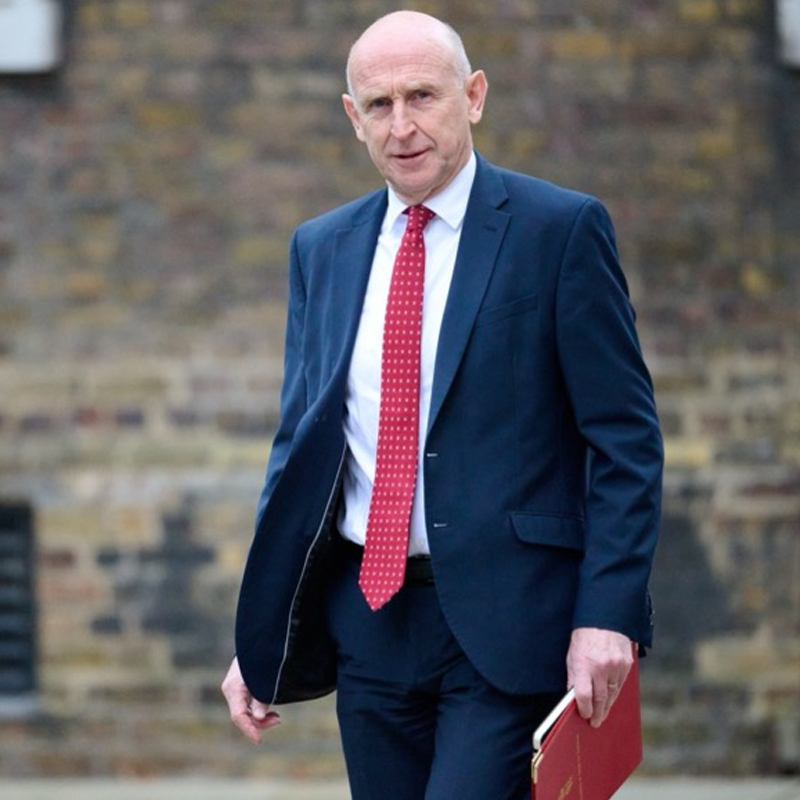
Chancellor John Healey delivered his first Autumn Budget on 28 October against a challenging economic backdrop, with higher energy costs, persistent inflation and increased government borrowing limiting the room for major giveaways.
While there were no sweeping changes to the headline rates of Income Tax, National Insurance or VAT, the Budget contained a substantial package of more targeted measures affecting individuals, property owners, investors and businesses.
Here are some of the key announcements.
From April 2027, the rates of tax applying to savings and property income will increase to 24% for basic rate taxpayers, 44% for higher rate taxpayers and 49% for additional rate taxpayers.
For landlords and other individuals receiving significant property income, this represents a four-percentage-point increase from current rates and may make it increasingly important to review the tax efficiency of existing property-holding structures.
The planned restriction to the cash ISA allowance for savers under 65 has, however, been abandoned, meaning the annual ISA subscription limit will remain at £20,000.
The main rates of Capital Gains Tax will remain unchanged at 18% and 24% for 2027/28, but there are important changes for business owners considering a future disposal.
From 6 April 2027, the lifetime limit for gains qualifying for Business Asset Disposal Relief will be reduced from £1 million to £500,000.
At the same time, a new Founders’ Relief will provide a 10% CGT rate on up to £10 million of lifetime gains for qualifying founders of high-growth, innovative companies.
These changes could have significant implications for business owners considering an exit, succession or longer-term estate planning.
The Inheritance Tax nil rate band will remain frozen at £325,000 and the residence nil rate band at £175,000 until the end of 2030/31. The £2 million threshold at which the residence nil rate band begins to taper will also remain unchanged.
With these thresholds continuing to be frozen while asset values change over time, reviewing existing estate and succession planning remains important.
The Budget also introduces changes to the treatment of liabilities affecting trust property for Inheritance Tax purposes, together with strengthened anti-avoidance provisions, applying to deaths and other chargeable events occurring on or after 28 October 2026.
A new First Time Buyer ISA is due to launch from April 2029. Savers will be able to contribute up to £4,000 each year and receive a 25% government bonus, subject to a £450,000 property purchase price cap.
Until then, Lifetime ISAs will continue. From 30 October 2026, the withdrawal charge applying where a property exceeds the £450,000 LISA price cap will reduce from 25% to 20%.
A new Your First Home scheme is also due to begin in April 2027, providing 20% equity loans to qualifying first-time buyers who would otherwise be unable to purchase a home.
The main Corporation Tax rate remains unchanged at 25%, with the small profits rate remaining at 19%.
There are, however, changes to capital allowances. The main rate first-year allowance will increase from 40% to 50% for qualifying expenditure incurred from 1 January 2027, while the main writing down allowance will fall from 14% to 12% from April 2027.
For individuals with smaller amounts of self-employed income, the trading allowance will increase from £1,000 to £3,000 from April 2027, with the Self Assessment trading income reporting threshold also rising to £3,000.
Tax administration and compliance remain a significant focus for the Government.
HMRC will gain new powers and taxpayers will face a general obligation to correct inaccuracies in tax returns and other documents from April 2028. HMRC will also be able to issue a customer correction notice requiring a taxpayer either to correct a suspected inaccuracy or explain why no correction is required.
The Government is continuing to invest in HMRC compliance activity as part of its wider efforts to reduce the tax gap.
Many of the Budget measures will not take effect immediately, with significant changes scheduled for 2027 and beyond. However, changes to property taxation, Capital Gains Tax reliefs and the continued freezing of Inheritance Tax thresholds mean that individuals and businesses may benefit from considering their position well before the new rules take effect.
As ever, the detail of individual circumstances matters. If you would like advice on how any of the changes may affect you, your family or your business, please get in touch.










Bell Howley Perrotton LLP is a limited liability partnership registered in England and Wales under number OC353525. Registered office: 20-22 Wenlock Road, London, N1 7GU. VAT number: GB 991703492.
BHP Advisory Ltd is a company registered in England and Wales under number 15240401. Registered office: 53 Davies Street, Mayfair, London, W1K 5JH. VAT number: GB 484722859.

