
November 28, 2025
General
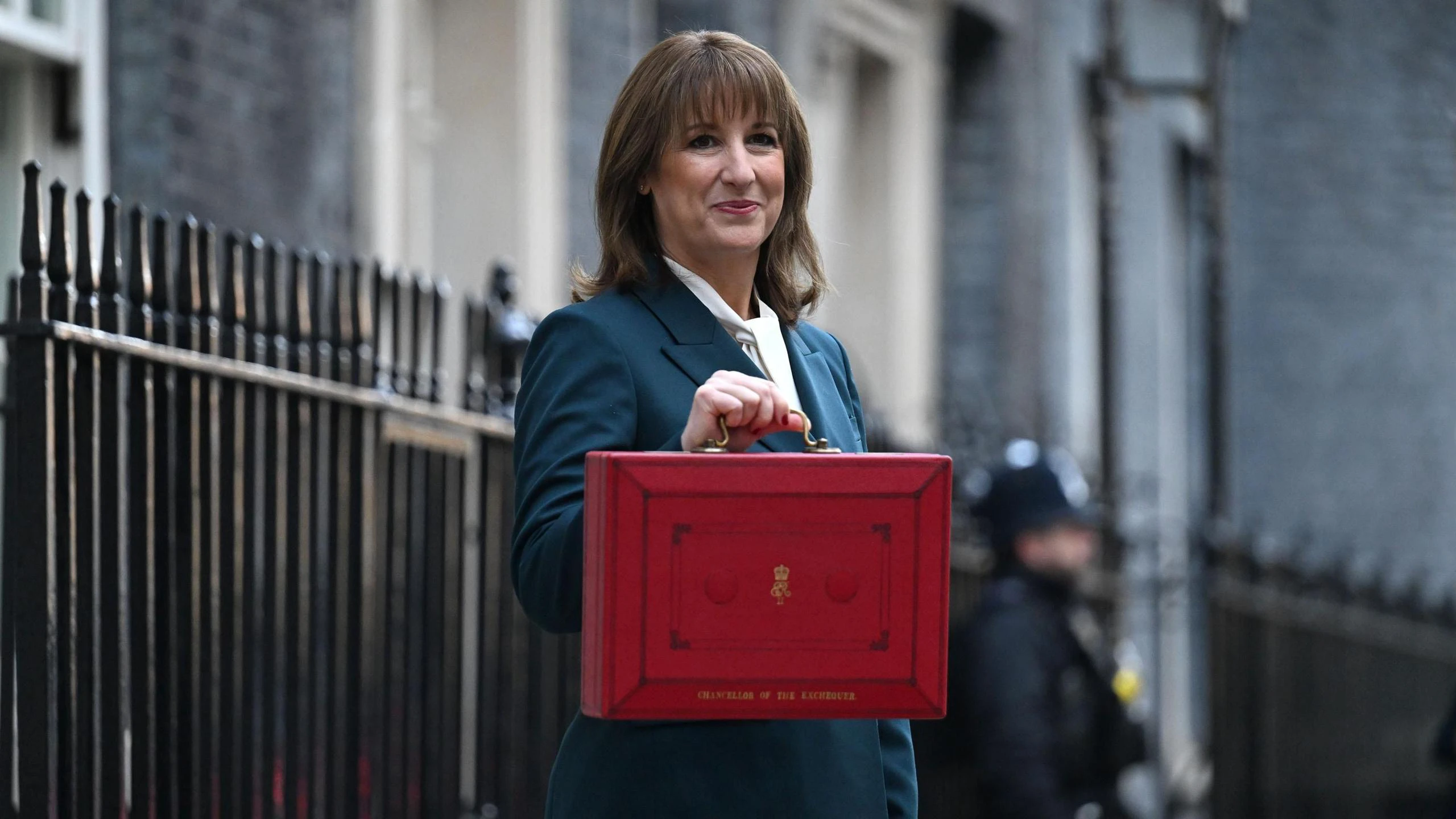
If you felt like you’d already read this Budget before it was delivered… you weren’t imagining things. After an unfortunately early leak (and a rather red-faced OBR), the Chancellor’s second Budget arrived with fewer surprises than usual — but plenty of important changes.
This year’s announcements combine targeted tax rises, extended freezes and a continued push for “contribution from all”, with several measures that will directly affect property owners and landlords, investors, families and business owners.
Below is our concise breakdown of the points and what they might mean for you. Remember, you can use online budget calculators to assess exactly how you might be affected monetarily and do always get in touch if we can provide any advice.
The personal allowance and higher-rate thresholds remain at current levels until 6 April 2031.
What this means: With wages and rental incomes rising, more people will drift into higher tax brackets over time — increasing tax bills even without headline rate rises.
Basic and higher-rate dividend taxes rise by 2 percentage points, with the allowance remaining at £500.
What this means: Shareholders extracting profits from companies may see noticeably higher personal tax liabilities and may want to consider timing of dividends and alternative extraction strategies.
Savings and property income tax rates each rise by 2 percentage points across all bands.
What this means: Landlords and clients with meaningful investment income should expect higher payments on account and may benefit from reviewing ownership structures or allowable deductions.
What this means: Families affected by the limit may see a welcome increase in monthly support, but the high-income child benefit charge still applies, so planning remains important.
Employee, employer and self-employed thresholds remain fixed.
What this means: Much like the income tax freeze, this quietly increases NIC liabilities over time, especially for those whose income edges upwards.
Properties worth over £2 million will attract a surcharge of £2,500–£7,500 per year.
What this means: High-value property owners — especially in London and the South East — will see a material new annual cost. This may influence decisions about long-term ownership, rental pricing or gifting property within families.
3p/mile for EVs; 1.5p/mile for hybrids.
What this means: Landlords and businesses operating EV fleets should factor this into running cost forecasts, though it remains lower than fuel duty equivalents for now.
NICs will apply to pension contributions made via salary sacrifice above £2,000 per year.
What this means: This reduces (but does not remove) the tax advantage for directors and higher earners using sacrifice. Earlier planning may help maximise contributions before the cap takes effect.
Cash ISA limit drops to £12,000 for under-65s, but the overall ISA limit stays at £20,000.
What this means: Clients relying heavily on cash ISAs may need to diversify savings, especially as inflation and interest rates fluctuate.
What this means: A broader group of lower-income savers can access government-boosted savings — helpful for households looking to build emergency funds.
What this means: With property values rising, more estates will fall into charge. Early estate planning and the use of reliefs remain important.
What this means: This is a positive and practical change for family-owned businesses and farms, reducing the risk of reliefs being lost on first death.
What this means: With such a low allowance, more disposals will trigger a charge — timing sales and managing gains across tax years becomes increasingly important.
What this means: Stability is welcome, though higher dividend taxes mean profit extraction remains a key area for planning – particularly for clients holding property within a company structure.
Alongside a cut to the writing-down allowance (to 14%).
What this means: This encourages earlier investment in qualifying plant and machinery, though careful modelling will help businesses decide the best timing.
Allows scale-ups (not just start-ups) to grant EMI options.
What this means: A helpful boost for growing companies wanting to attract and retain talent with tax-efficient incentives.
Lower multipliers for retail, hospitality and leisure; transitional relief for others.
What this means: Some sectors will see real support, while larger commercial property holders may shoulder higher costs.
Registration stays at £90,000.
What this means: More small businesses will continue to be drawn into VAT as turnover rises, even without thresholds moving.
What this means: An early heads-up for businesses to start considering software and compliance changes — the transition period will likely be important.
What this means: Staying compliant becomes increasingly important. Proactive digital record-keeping should prevent unnecessary penalties.
What this means: Clients holding cryptoassets should expect increased scrutiny and ensure all transactions are correctly reported.
What this means: Positive for employees, but employers — particularly in hospitality and retail — may see increased wage pressures.
What this means: Good news for pensioners, though higher earnings may interact with frozen thresholds in the coming years.
This Budget is more evolution than revolution — but the long freezes on thresholds, rising tax rates on investment income and changes to property taxation mean many clients will see their tax bills increase over the next few years, even without obvious headline rate changes.
If you would like tailored advice on how these measures impact your tax position — particularly around property income, pensions, CGT planning or business structures — please get in touch with us. We’re here to help you plan ahead with confidence.











Bell Howley Perrotton LLP is a limited liability partnership registered in England and Wales under number OC353525. Registered office: 20-22 Wenlock Road, London, N1 7GU. VAT number: GB 991703492.
BHP Advisory Ltd is a company registered in England and Wales under number 15240401. Registered office: 53 Davies Street, Mayfair, London, W1K 5JH. VAT number: GB 484722859.
