September 2, 2026
General
This month’s Property VAT Spotlight has been written by Jane Deeks, BHP’s VAT consultant and founder of Deeks VAT.
The Government has consulted on a new VAT zero rate for sales of bare land intended for the construction of social housing.
Under the present system, land is generally exempt unless an option to tax makes the transaction taxable. There are circumstances in which an option can be disapplied for land intended for relevant residential use, but an exempt sale can leave the seller unable to recover associated VAT.
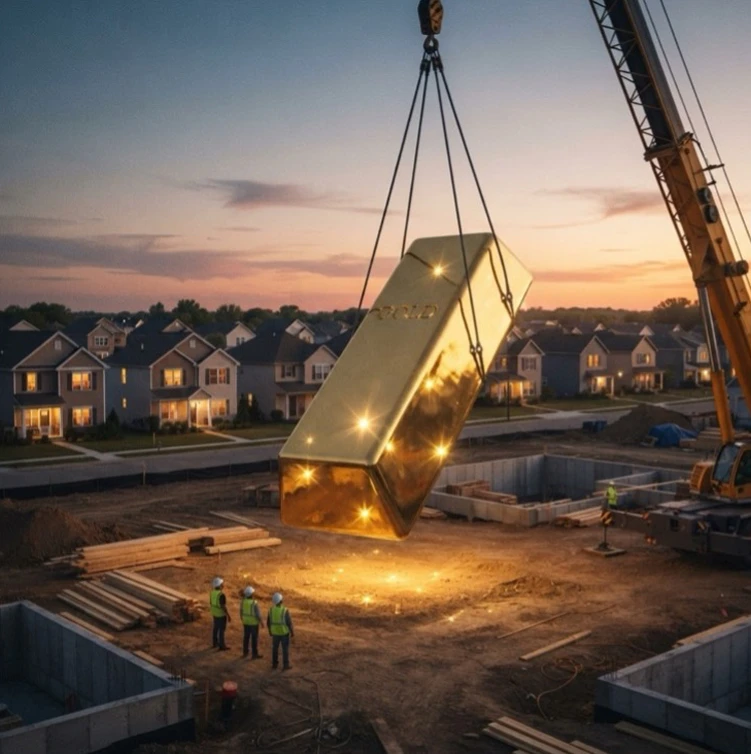
The first grant of a major interest in a newly constructed dwelling can, of course, qualify for zero-rating. This has given rise to the familiar “golden brick” structure, where the transaction is delayed until sufficient construction has taken place for the interest being transferred to relate to a new dwelling rather than simply bare land.
The Government is now considering whether targeted zero-rating of the land itself could enable registered social housing providers to acquire sites earlier without creating an irrecoverable VAT cost.
That could potentially simplify transactions and improve development cashflow, but there are some obvious design questions:
The proposal is welcome, particularly because the existing VAT outcome can influence the timing and structure of a land transaction for reasons that have very little to do with the commercial development itself.
But the success of the relief will depend on the conditions. A zero rate accompanied by an Olympic-sized certificate and clawback regime would rather miss the point.
The consultation closed on 18 August 2026, and the Government is expected to publish its formal response and next steps in due course.