Trusts: An Old Idea with Modern Value

September 24, 2025

Private Client
Freya Grant

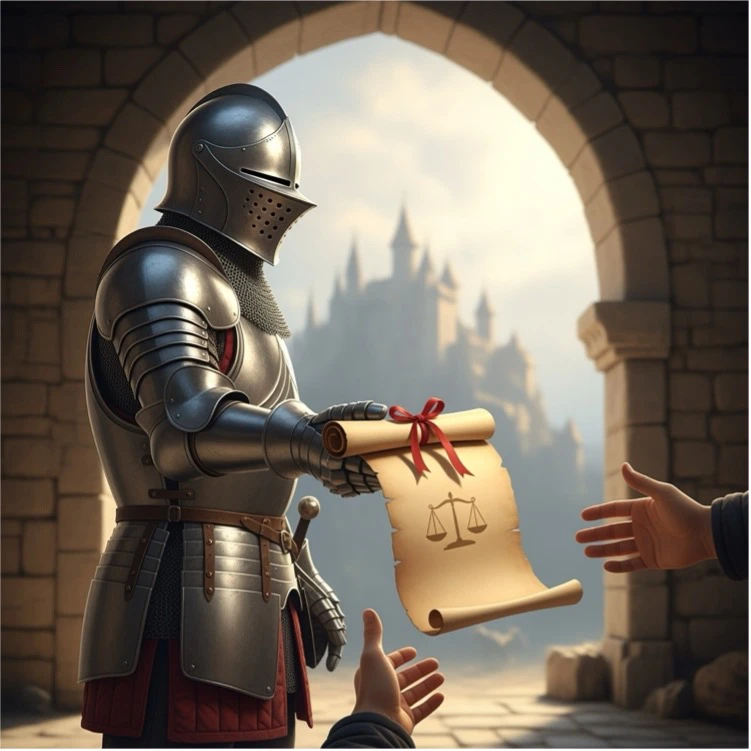
Illustration of an armoured figure handing a scroll with scales of justice to another person

The English trust traces its roots back to medieval times, when knights heading off on crusade handed their land to someone they trusted to manage in their absence. This early arrangement created today’s key legal distinction: trustees hold legal title, while beneficiaries enjoy the benefit.

By the 19th century trust law was formalised, with the Trustee Act 1925—now a century old—still a cornerstone of English law.

Why Trusts Divide Opinion

Some see trusts as complex or outdated; others value them as a strategic way to protect and pass on wealth. In a world of instant access to money and information, trusts can seem old-fashioned, but that misses the powerful benefits they offer.

Ten Reasons to Consider a Trust

  1. Beat the 2026 tax changes – From 6 April 2026, key inheritance tax reliefs will shrink, so assets added to a trust after this date may face a 20% upfront IHT charge if above £1 million. Farmers and business owners should act early.
  2. Control without ownership – Set rules for how and when beneficiaries receive assets without giving them full control.
  3. Asset protection – Shield wealth from creditors, divorce or financially irresponsible heirs.
  4. Professional oversight – Appoint experienced trustees to manage assets with care and compliance.
  5. Flexibility – Beneficiaries can use trust assets (such as living in a property) without owning them outright.
  6. Certainty and structure – Avoid inheritance disputes and ensure your wishes are followed.
  7. Support for vulnerable individuals – Protect assets for minors or those unable to manage money.
  8. Long-term planning – UK trusts can last up to 125 years, securing wealth across generations.
  9. Privacy – Unlike wills, trusts remain private.
  10. Peace of mind – Ensure assets are managed responsibly and loved ones are cared for.

The Takeaway

Trusts aren’t for everyone, but with major tax changes on the horizon, they remain one of the most effective tools for succession planning. Now is the time to explore whether a trust could fit into your long-term plans.


Start your enquiry

Read More

Close-up of a legal document titled “Living Trust” with a pen and reading glasses

Creating a Trust: A Step-by-Step Guide

October 29, 2025
Private Client
Whether for tax efficiency, asset protection or providing for loved ones, creating a trust can be a valuable part of long-term planning. It can also feel daunting. Here’s how the process typically works—and where professional guidance makes all the difference.
Read  More
Two people in a formal office setting reviewing legal documents across a desk.

What is a No Contest Clause?

October 29, 2025
Private Client
No contest clauses are often included in wills to deter challenges, but they do not always have the effect people expect. In practice, beneficiaries may still be able to bring a claim where legal grounds exist.
Read  More

Let's work together!

Whether you need advice on a specific matter or wish to discuss how we can support your business or personal needs, we're here to help.

Thank you! Your submission has been received!
Oops! Something went wrong while submitting the form.